 A man-with-a-van job can be a quick way to collect a sofa, move out of an apartment, clear a room, or get a student’s belongings home. But the difference between a straightforward job and a stressful one usually comes down to preparation. A few details sorted before collection can save time, avoid extra trips, and help keep your belongings safe.
Have Your Items Ready Before the Van Arrives
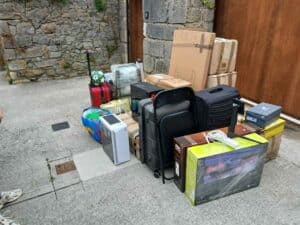
One of the biggest time-savers is having all your items gathered together before loading begins. When everything is in one place, I can immediately see the full load and plan the safest way to pack the van. Larger and heavier items are loaded first, with medium-sized boxes next and lighter or fragile items placed on top. This reduces unnecessary lifting, avoids unloading and reloading, and helps protect your belongings during transport.
If you are wondering how to prepare for a man with a van, start by thinking about the job from door to door. What is being moved, where is it coming from, where is it going, and what could make access difficult? Clear answers make it easier to get an accurate quote and make sure the right amount of time is allowed.
Start With a Clear List of What Is Moving
Before you call or request a quote, make a practical list of the items that need to go. You do not need to count every book or kitchen utensil, but the main pieces matter. Include furniture, appliances, large boxes, bags, mirrors, TVs, bikes, and anything awkwardly shaped.
Photos are especially useful for larger or unusual items. A photo of a corner sofa, wardrobe, washing machine, or marketplace purchase gives a much better picture than saying it is “fairly big.” If an item comes apart, say so. If it does not, mention that too.
Be honest about the full load. A few extra bags may not change much, but an unmentioned bed frame, chest of drawers, or second collection address can affect the time needed and the available space in the van. A large long-wheelbase van can handle far more than a car or small van, but it still needs to be loaded safely and securely.
Measure the Items That Could Cause Trouble
Measure large furniture before moving day, particularly if it has to go through a narrow hallway, apartment entrance, stairwell, or lift. Check the width, height, and depth of the item, then compare it with the tightest part of the route.
This is worth doing for sofas, wardrobes, beds, American-style fridge freezers, large desks, and heavy cabinets. A piece might fit in the van but not through the front door. If you know access is tight, flag it early so there is time to discuss whether legs, doors, shelves, or other removable parts should come off.
Pack for Loading, Not Just for the New Place
Packing properly is one of the easiest ways to protect your belongings and make the move faster. Use sturdy boxes where possible and do not overload them. A box full of books gets heavy quickly, so keep those smaller. Lighter items such as bedding, clothes, and cushions can go in larger boxes or strong bags.
Seal boxes properly and label them on at least two sides. Write the room they are going to and a short note about what is inside, such as “Kitchen – glasses” or “Bedroom – clothes.” It makes unloading much easier when you are tired and trying to get settled.
Fragile items need more than a label. Wrap glass, ceramics, lamps, framed pictures, and electronics individually with packing paper, bubble wrap, towels, or blankets. Fill empty spaces inside boxes so things cannot shift around. Keep fragile boxes separate from heavy boxes and point them out before loading begins.
For a smaller move, try to have everything boxed or bagged before the van arrives. Loose items take longer to gather, are harder to stack safely, and are more likely to be missed. If you are moving from a shared house or student accommodation, make one clear pile of only the things that belong to you.
Prepare Furniture and Appliances in Advance
Furniture often takes longer to prepare than people expect. Empty drawers, cupboards, and shelves before moving a unit, unless it is a very light item. Loose contents can damage the furniture, fall out while it is carried, or make an item too heavy to move safely.
Take apart anything that is designed to be dismantled and is likely to be awkward, such as bed frames, removable shelving, or flat-pack desks. Put screws, bolts, brackets, and instructions into a labeled bag, then tape the bag securely to the relevant item. Do not leave fittings loose in a drawer or pocket where they can disappear.
For appliances, disconnect them before collection. Washing machines should be drained, with hoses secured. Fridges and freezers should be emptied, defrosted, dried, and left with doors secured for transport. Check manufacturer guidance for any appliance that needs to stand upright or needs time before being switched back on.
If you are collecting furniture from DoneDeal or Facebook Marketplace, ask the seller beforehand whether the item is already dismantled, whether it is downstairs, and whether anyone can help bring it to the door. A bargain can become complicated if a large wardrobe is on a third-floor landing and no one has checked the stairs.
Sort Access, Parking, and Keys Before the Van Arrives
Good access matters as much as good packing. The closer the van can park to each property, the quicker and easier the job will be. Check whether there are parking restrictions, apartment gates, loading bays, narrow streets, steep driveways, or a long walk from the nearest legal parking space.
If you live in an apartment building, contact the building manager or landlord if needed. Ask about lift use, booking requirements, access fobs, loading areas, and any time restrictions. A lift can save a great deal of carrying, but it is only helpful if it is large enough for the items and available at the right time.
At the delivery address, make sure someone has the keys and can open the property. It sounds obvious, but delays often happen when keys are with an agent, a family member is running late, or the new tenant has not yet been given access. Have a backup plan if possible.
Keep hallways, stairways, and entrances clear. Move shoes, plant pots, kids’ toys, bins, and other obstacles out of the way. If the weather is wet, have old towels or mats ready to protect floors and give people somewhere safe to wipe their feet.
Set Aside What Travels With You
Some things should not go into the van with the main load. Keep passports, wallets, medication, important paperwork, jewelry, house keys, chargers, and anything you will need immediately in a bag that stays with you.
It also helps to prepare a first-night box for an apartment or house move. Include tea or coffee, mugs, toilet roll, basic cleaning supplies, snacks, phone chargers, and bedding. You may not unpack everything on day one, but you will be glad not to search through ten boxes for essentials.
If children or pets are involved, arrange care for them during the busiest part of loading and unloading. Open doors, moving furniture, and people carrying boxes are not a good mix with a curious dog or a small child underfoot.
Confirm the Details the Day Before
A short message or call the day before can prevent confusion. Confirm the collection time, both addresses, phone numbers, parking arrangements, and the main items being moved. If anything has changed since the quote, say so before the job starts.
Tell the driver about stairs, lift access, difficult parking, or any item that needs special care. This is not about making the job complicated. It is about allowing enough time and arriving prepared for the real situation.
Have your phone nearby on the day, especially for marketplace collections or properties that are hard to find. If you are meeting at a seller’s house, make sure they know the agreed time and have the item ready to go. If you are moving into a new place, share any gate codes or clear directions that could help.
Make the Loading Order Work for You
Think about what needs to come off first at the new address. If boxes for the kitchen need to go straight into the kitchen, label them clearly and keep the route open. If a bed needs assembling that evening, make sure its parts and fittings are easy to find.
You do not need to direct every box, but it helps to point out fragile items, items that are not going, and anything that should be loaded last because you will need it first. Clear communication at the start is quicker than rearranging a load halfway through.
For people moving around Limerick, Clare, or North Tipperary, a little planning is often enough to turn a job that feels overwhelming into a manageable one. Seamus handles each move personally, so clear information before the day helps keep collection and delivery simple.
The best preparation is not perfect packing or a color-coded spreadsheet. It is having the load ready, access clear, and the important details shared early. Once those basics are covered, you can focus on getting into your new place rather than chasing missing screws, blocked hallways, or last-minute parking problems.