
 A weekly move is rarely a full house removal. More often, it is a few boxes from a rental, a chair collected from a seller, stock for a small business, or furniture going to a student apartment. When you need regular weekly light moves to Nenagh, the real challenge is keeping each run simple, organized, and affordable without having to borrow a car or make several trips yourself.
A large long-wheelbase van can make a major difference here. It has room for bulky items and several loads at once, while still being practical for the smaller jobs that come up week after week. The key is knowing what needs to go, when it needs to arrive, and whether a recurring arrangement suits your situation better than booking separate last-minute jobs.
When Regular Weekly Light Moves to Nenagh Make Sense
A regular weekly van run can be useful for people with changing needs rather than one big moving day. Students may be gradually moving belongings between Limerick and Nenagh. Landlords may need furniture collected, delivered, or removed between tenancies. A small business might need boxes, supplies, displays, or equipment brought to Nenagh on a consistent day.
It also works well for people buying and selling through DoneDeal or Facebook Marketplace. A good item can appear at short notice, but collecting it is not always easy when it will not fit in a car. A weekly plan gives you a more reliable option for arranging collections, especially if you regularly source furniture or household items.
This type of service is best suited to light, manageable loads: boxes, small furniture, chairs, desks, flat-pack items, appliances, bags, and single larger pieces. If you have a packed family home with multiple rooms of furniture, that is a different kind of job and needs a separate plan.
Start With the Load, Not the Van
Before asking for a quote, make a quick, honest list of what needs to be moved. You do not need to measure every box, but details prevent surprises on the day. Mention the larger items first, then estimate the number of boxes, bags, or smaller pieces.
For furniture, include basic dimensions if possible. A wardrobe, sofa, dining table, mattress, or tall shelving unit may fit easily in a large van, but access at either end matters just as much as van space. A narrow staircase, no elevator, tight parking, or a long walk from the door can affect the time needed.
Photos are especially useful for unusual items or large furniture. They help confirm whether the item can be safely loaded and whether it needs to be protected, taken apart, or carried by more than one person. Clear information leads to a clearer quote and fewer delays.
Choose a Weekly Schedule That Actually Works
The benefit of regular weekly light moves is predictability. Rather than waiting until you have a pile of items and then scrambling for transport, agree on a day or time window that fits your routine. This is useful for businesses, landlords, repeat furniture collections, and anyone moving belongings in stages.
That said, a fixed weekly slot is not always the best choice. If your load changes a lot or you only occasionally need a collection, booking as needed may be more practical. Flexibility matters, particularly when a Marketplace seller wants an item collected quickly or a tenant changes move-out plans.
Give as much notice as you can, but include the deadline when timing is tight. If an item must be picked up on a certain day, say so from the start. A straightforward message with collection location, delivery location, item details, access information, and preferred timing makes it easier to plan the job properly.
Make Collection and Delivery Easier
Most small moves run smoothly when both ends are ready. Pack loose belongings into boxes, bags, or sturdy containers rather than leaving individual items scattered around a room. Tape boxes closed, label anything fragile, and keep valuables, documents, medication, and personal essentials with you.
For furniture collections, confirm that the seller will be there and that the item is ready to go. Ask whether it is on the ground floor, whether there are stairs, and whether it has already been disassembled. A table with removable legs is easier to transport than one that has to be maneuvered through a narrow hallway in one piece.
At the Nenagh end, arrange access before the van arrives. This may mean reserving parking, checking an apartment building entry code, or asking a friend to be available if you cannot be there. A few minutes of preparation can save a lot of waiting around.
Combine Jobs When It Saves Time
One of the simplest ways to get better value from a weekly light move is to combine items going in the same direction. Instead of moving a desk one week, a few boxes the next, and a chair later, it can make sense to gather what you can for one run. The larger van means more can often be carried at once, reducing the need for repeated journeys.
This does not mean you should delay something urgent. A bed, essential appliance, or item with a seller deadline may need to move right away. But for non-urgent belongings, grouping jobs can be more efficient and easier to manage.
Businesses can use the same approach. If you regularly move stock, promotional materials, office supplies, or equipment, keep a running list during the week. By collection day, everything is packed, counted, and ready at one pickup point where possible.
Be Clear About What Help You Need
A van service is not just about transport. Some customers need help loading and unloading, while others have people on hand and only need the space in the van. Explain what you need when requesting a quote, especially for heavy, awkward, or fragile items.
There is a trade-off here. Having help at both ends may keep a job quicker, but it only works if those people are genuinely available when the van arrives. If a friend is meant to help carry a sofa but may be late from work, say that in advance rather than hoping it works out on the day.
If an item needs dismantling, mention it early. Simple flat-pack furniture may be manageable, but not every piece should be taken apart or reassembled without checking the fixings and instructions. Protecting the item and moving it safely should come before trying to rush the job.
A Practical Option for Limerick and North Tipperary
For people traveling between Limerick and Nenagh, regular small moves are common. Students change apartments, families pass furniture on, landlords prepare rentals, and people find good secondhand buys outside their own town. Having one owner-operated point of contact makes repeat jobs easier because you do not have to explain your usual arrangements from scratch every time.
Man with a Van Seamus handles small moves, furniture transport, collections, apartment moves, and household loads with a large van suited to both single items and bigger weekly batches. Direct communication helps when plans change, access is limited, or you need to add another item before the run.
Get the Details Ready Before You Call
The quickest way to arrange a weekly move is to have the essentials ready: what is being moved, both addresses, the preferred day, any stairs or elevator access, parking details, and whether you need loading help. If the job involves a collection from a seller, have their contact details and the agreed pickup time available too.
A regular weekly run should make life easier, not add another thing to chase. Keep the load organized, communicate early when plans change, and ask for a quick quote based on the real job. That leaves you free to focus on settling into Nenagh, managing your rental, or enjoying the furniture find you did not want to miss.
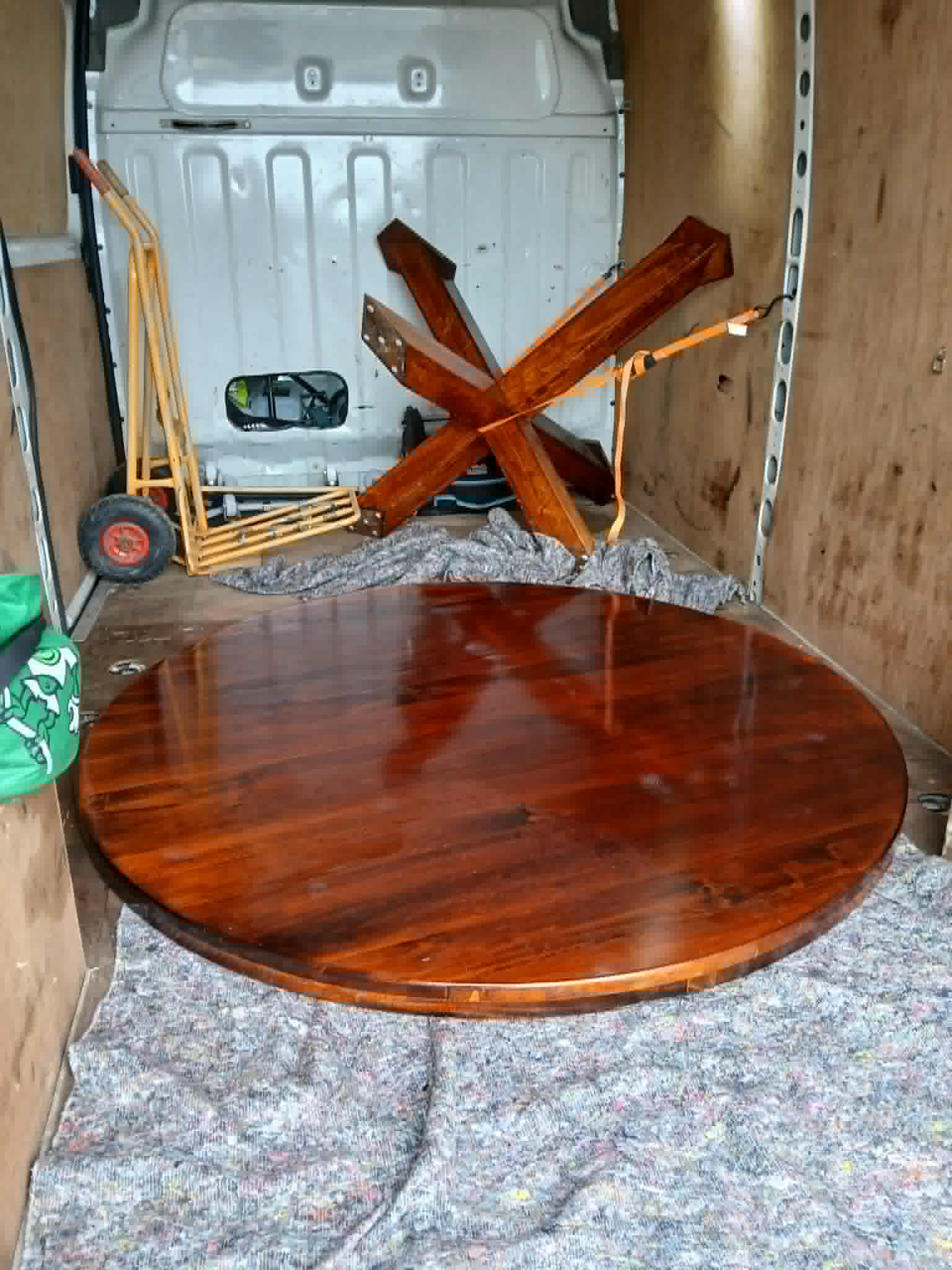
man with van round table with leg structure
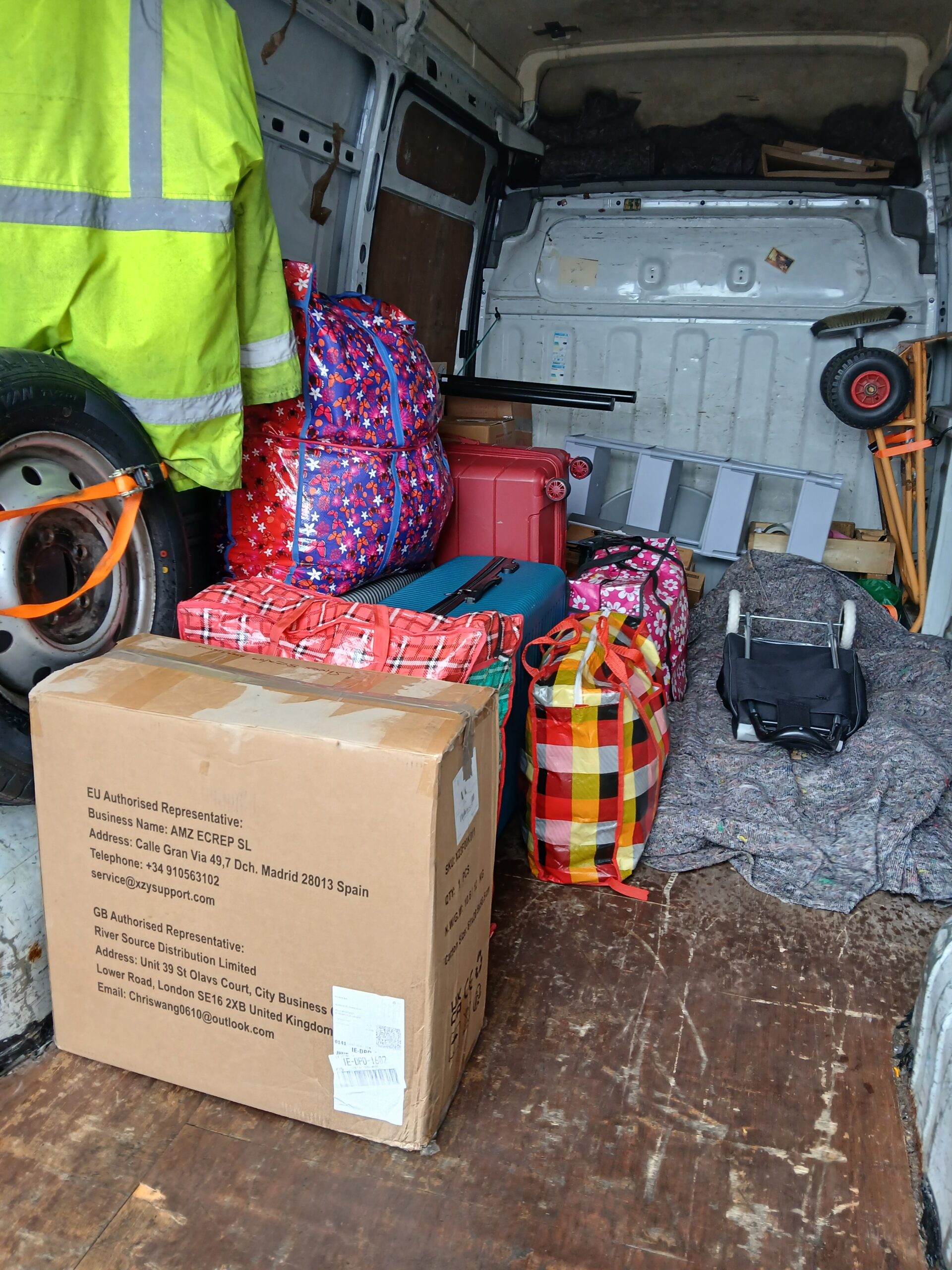
man with van to kildare 26
