
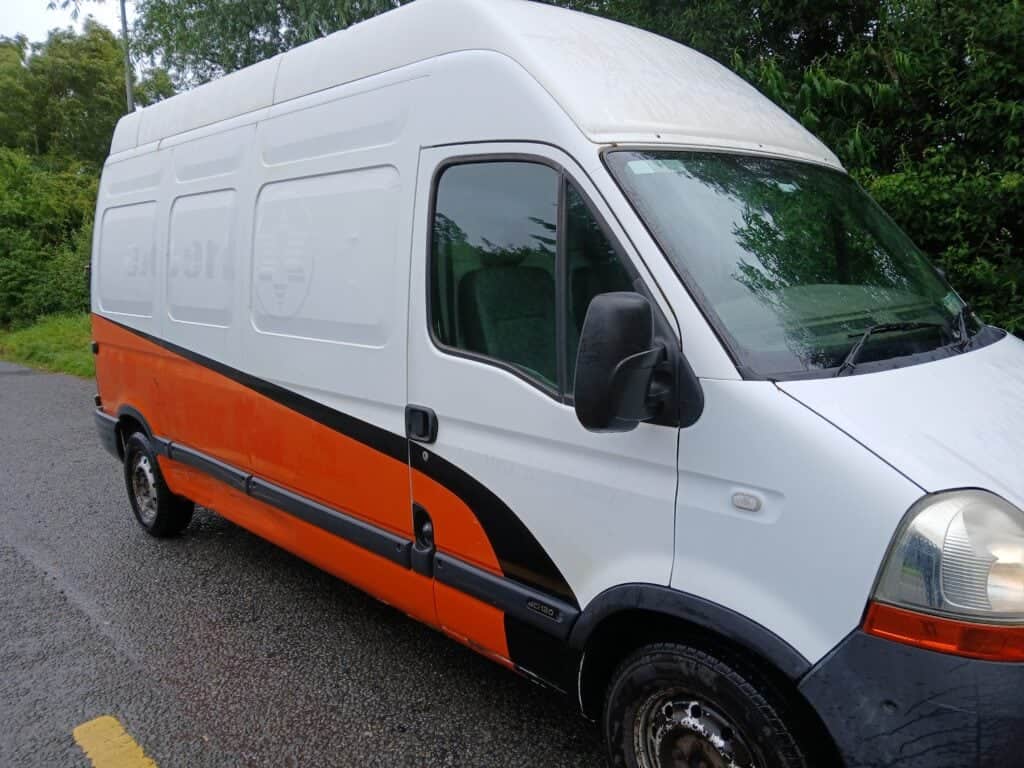
That Facebook Marketplace sofa always looks easy until you realize it will not fit in your car, the seller wants it gone tonight, and borrowing a truck turns into a full afternoon of hassle. That is exactly where furniture pick up and delivery makes sense. For one item, a few pieces, or a small apartment load, the right service saves time, stress, and usually money compared with trying to sort it out yourself.
When furniture pick up and delivery is the right fit
Not every move needs a full removals company. A lot of jobs sit in the middle. Too big for a car, too small for a major moving crew. That is where a local van-and-driver service earns its keep.
If you are buying a bed frame from a store, collecting a dining table from a private seller, moving out of student housing, or bringing a few large pieces across town, you probably do not need a whole team and a large truck. You need someone reliable with the right vehicle, good timing, and enough experience to handle bulky items without making a mess of the day.
This is especially useful for renters, students, and apartment dwellers. Stairs, tight hallways, limited parking, and short move-out windows can turn a simple collection into a headache. Furniture pick up and delivery works best when the job is practical, local, and time-sensitive.
What people usually need moved
Most customers are not moving a full household. They are trying to solve a specific transport problem.
Common jobs include couches, mattresses, bed frames, wardrobes, desks, tables, chairs, chests of drawers, and boxed furniture that is still flat-packed. Sometimes it is just one awkward item. Sometimes it is a mix of furniture and a few personal boxes. Sometimes it is the first load into a new place before the rest follows later.
That flexibility matters. A service built around smaller jobs is usually better suited to these requests than a traditional moving company that is priced and staffed for much larger work.
What affects the cost
People often ask for a price straight away, which is fair enough, but furniture transport is one of those jobs where the details matter. Two deliveries can sound similar and still take very different amounts of time.
The main factors are simple: how many items need to be moved, how large and heavy they are, how far they are going, and how easy the pickup and drop-off points are to access. Ground-floor collection is one thing. A third-floor walk-up with a narrow turn in the stairs is another.
Timing can also affect the quote. Last-minute requests, same-day availability, and jobs that need to line up with a seller or store time slot can require extra flexibility. That does not always mean expensive, but it does mean the schedule matters.
If you want an accurate quote quickly, send the basics upfront. Item list, pickup location, delivery location, and whether there are stairs or access limits. Photos help too, especially for larger furniture or awkward pieces.
How to make furniture pick up and delivery go smoothly
The easiest jobs are usually the ones where everyone knows what is being moved before the van arrives. A few minutes of preparation can save a lot of back-and-forth later.
Measure the large items and measure the doorways, hallways, and stairwells at both ends. Plenty of furniture can fit in the van and still fail at the final doorway. If a table has removable legs or a bed frame comes apart, mention that in advance. Small details like that affect loading time and space planning.
It also helps to confirm whether someone will be present at pickup and delivery. If you are buying from a marketplace seller, make sure the seller knows the collection window and is ready with the item. If you are receiving furniture at an apartment building, check whether there are loading rules, elevator access, or parking restrictions.
Wrapped or protected items travel better, especially wood finishes, glass panels, and upholstered pieces. A careful driver will handle the load properly, but basic prep still reduces risk. Empty drawers if possible. Remove loose shelves. Bag screws and fittings if anything is disassembled.
Store delivery vs private seller collection
These jobs sound similar, but they are not always the same.
Store collections are often more straightforward because the item is packaged, labeled, and ready at a collection point. The challenge there is usually timing. Many stores work with collection windows, and if you miss one, the whole day can slide.
Private seller pickups can be less predictable. The item may still be in use, partly assembled, or located in a room that is harder to access than expected. Measurements are sometimes approximate. Photos do not always show the real size or condition. That does not make the job difficult by default, but it does mean communication matters more.
If you are arranging collection from a private seller, ask the right questions before booking. Is the item fully assembled? Are there stairs? Can the vehicle park nearby? Will someone help bring it to the door if needed? Those answers can make the difference between a quick job and a delayed one.
Why not just rent a truck?
Sometimes renting a truck makes sense. If you are doing a full-day move, have help lined up, and are comfortable driving a larger vehicle, it may work out. But for smaller furniture jobs, it often costs more effort than people expect.
You have the rental fee, fuel, deposit, insurance questions, pickup and return times, and the small matter of doing the lifting yourself. Then there is parking, route planning, and trying not to scrape a rented vehicle in a tight lot. For one couch, one mattress, or a few key pieces, that is a lot to take on.
A local van service is often the practical middle option. You get the vehicle and driver without paying for a large removals setup. For a lot of people, that is the sweet spot between too much DIY and too much service.
Choosing the right furniture pick up and delivery service
The cheapest quote is not always the cheapest once delays, poor communication, or rough handling enter the picture. For furniture transport, responsiveness matters almost as much as price.
Look for a service that answers quickly, asks the right questions, and gives a clear idea of what is included. You want straightforward communication, realistic timing, and someone who understands that smaller jobs still need proper care.
It also helps to choose a service that regularly handles local collections and light moves rather than treating them as side work. A business like Man with a Van Seamus is built around exactly these in-between jobs, which is why the process tends to be simpler for customers who just need practical help without the full moving-company setup.
Common mistakes that slow the job down
Most transport problems are not dramatic. They are the small avoidable ones.
People forget to check measurements. Sellers change availability at the last minute. Parking is impossible because no one thought about where the van would stop. Someone books a delivery for a building with elevator restrictions but does not mention them until arrival. None of this is rare.
The fix is simple. Be clear early. Share photos. Confirm access. Have your phone on. If anything changes, say so before the van is on the way. A good service can work around a lot, but surprise is what causes delays.
For small moves, simple usually wins
There is no need to overcomplicate furniture transport. If the job is a few items, a local collection, or a short-notice delivery, the best option is usually the one that is fast to arrange, fairly priced, and handled by someone who does this kind of work all the time.
That is really what people are paying for with furniture pick up and delivery. Not just the van. The saved time, the reduced stress, and the fact that you do not have to turn one table pickup into a full logistical project.
If your furniture will not fit in the car and the job is too small for a traditional mover, keep it simple. Get a clear quote, give accurate details, and use a service that is set up for real-life local jobs. That usually gets the piece where it needs to go with a lot less hassle than trying to force a DIY plan to work.
🚐 Make your move easier
If you don’t have transport, you’re welcome to travel in the van with me. This makes things much easier, especially for student moves, as everything and everyone gets to the destination together without needing to arrange extra lifts.
The move is made much easier if everything is prepared in advance. Items should be boxed and ready to load, beds disassembled, and heavy furniture like lockers or dressers emptied (with drawers removed). This helps speed up the job and can reduce the overall cost.