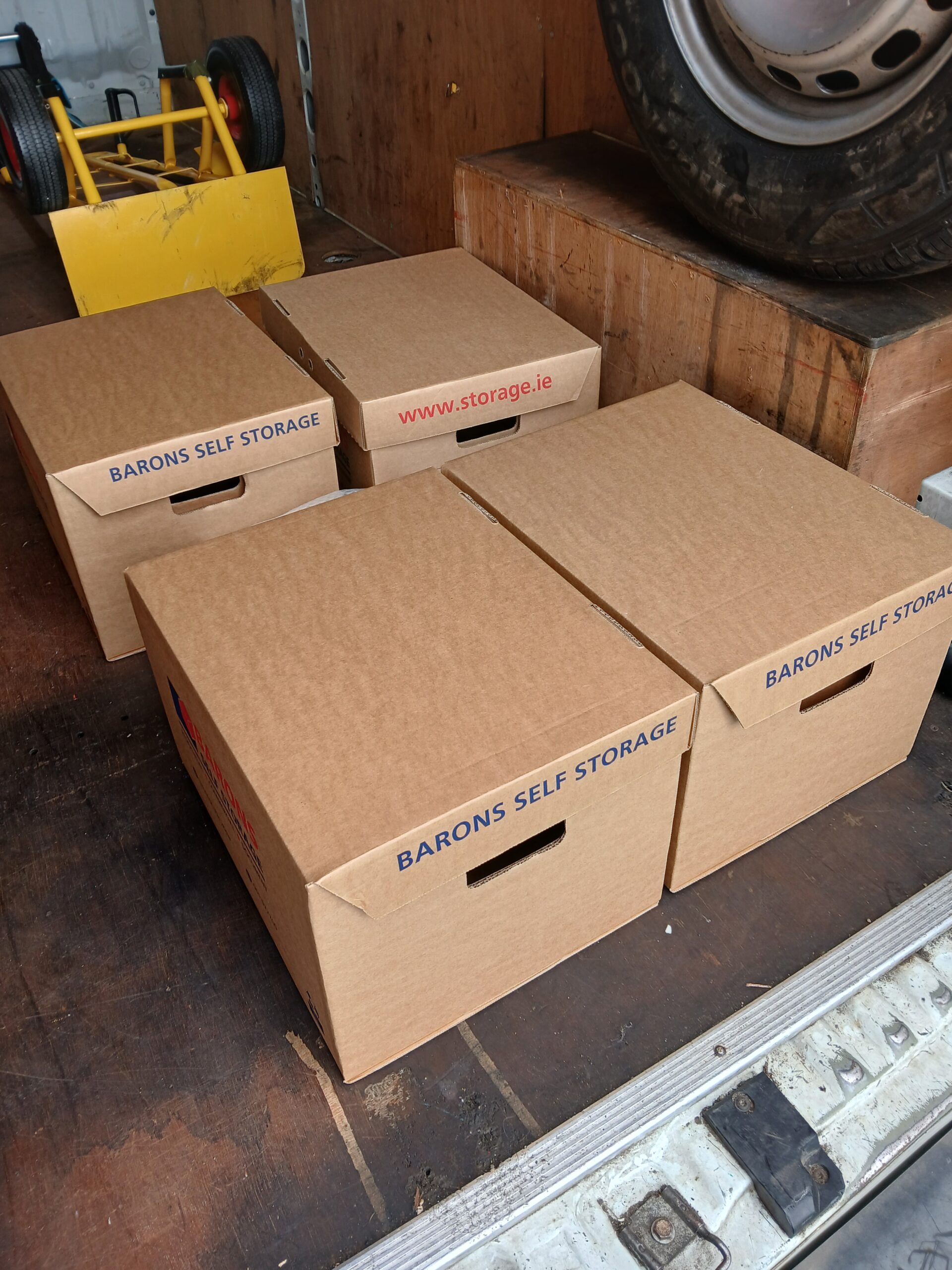
 A move can go off track before the first item is lifted if you are still hunting for cardboard boxes the night before. Arranging moving box delivery Limerick early gives you time to pack properly, protect fragile items, and avoid the usual last-minute scramble for bags, loose boxes, and tape.
For a student move, apartment move, or a smaller house move, having the right boxes delivered to your door is often the easiest starting point. The key is ordering enough, choosing useful sizes, and planning how those packed boxes will get from one address to the next.
When to Arrange Moving Box Delivery in Limerick
Order boxes as soon as you know your move date, ideally one to two weeks ahead. That does not mean you must pack everything immediately. It simply gives you the supplies to begin with the items you do not use every day, such as books, seasonal clothes, spare bedding, ornaments, and kitchen equipment.
Leaving it until the final few days usually creates two problems. First, you may end up packing heavy items into oversized boxes because those are all you can find. Second, you are more likely to use unsuitable containers that split, get damp, or cannot be stacked safely in a van.
Delivery is especially useful if you do not have a car, are working long hours, or are moving from a city-center apartment where collecting bulky bundles of boxes is a nuisance. It also helps when you are packing in stages and need supplies at home rather than making repeat trips to shops.
Choosing the Right Moving Boxes
The best mix depends on what you own, not just the size of your property. A furnished one-bedroom apartment with books, kitchenware, and children’s items can need more boxes than a lightly furnished two-bedroom place. Start by looking at each room and separating what will travel with you from what will be donated, sold, or recycled.
Small boxes are for heavy items
Use smaller, stronger boxes for books, tools, records, canned food, and heavy kitchen items. A compact box may seem less efficient at first, but it prevents one person from having to lift an awkward, overloaded carton. Keep every box at a sensible weight, even if there is still empty space at the top.
Medium boxes do most of the work
Medium boxes are usually the most useful for clothing, toys, shoes, small appliances, bathroom items, and general household contents. They are easier to carry through stairs and hallways than very large cartons, and they stack well when packed evenly.
Large boxes are for light, bulky belongings
Large boxes suit duvets, pillows, towels, cushions, lampshades, and lightweight clothing. They are not the place for books, dishes, or a mix of heavy items from around the house. A large box that is too heavy is more likely to tear and harder to load safely.
It is worth keeping a few extra boxes for the things people commonly forget: cleaning supplies, cables, the kettle, pantry items, and the contents of the hall cupboard. Extra unused boxes are far less stressful than running out halfway through packing.
Do Not Forget the Packing Materials
Boxes alone will not protect fragile belongings. Before arranging delivery, make sure you have good packing tape, a marker, wrapping paper or bubble wrap, and something to fill gaps inside boxes. Towels, bedding, and clean clothing can also cushion less fragile items and reduce the amount of extra material you need.
Plates should be wrapped individually and packed standing on their edges rather than laid flat in a stack. Fill empty spaces so items cannot shift during transport. Glasses, mugs, and small ornaments need individual protection, while electronics should travel with their cables labeled and packed nearby.
Avoid relying on black bags for anything breakable or valuable. They are useful for soft items such as bedding and clothes, but they are difficult to stack, easy to snag, and impossible to label clearly. They can also be mistaken for rubbish during a busy moving day.
Label Boxes for the Delivery Address, Not Just the Room
A quick label can save a surprising amount of time later. Write the destination room on at least two sides of every box, then add a short description such as “Kitchen – glasses” or “Bedroom – winter clothes.” Mark fragile boxes clearly, but do not assume that label alone makes them safe. Correct packing is what protects the contents.
If you are moving into shared accommodation, a student house, or an apartment block, add your name and room number. This is useful when several people are carrying items in and boxes are being left temporarily in a hallway or entrance area.
For moves involving two stops, such as collecting furniture from a family home before going to a new rental, use a simple color system. One color can mean items for the new address, while another can identify boxes that need to stay behind or go to a different location. It takes minutes to organize and prevents mistakes when things get busy.
Plan for Access Before Moving Day
Moving box delivery and the actual move both go more smoothly when access is considered early. Check whether there is a parking space near the property, whether there are stairs or a lift, and whether any building management rules apply. In busy areas of Limerick City, apartment complexes, and student accommodation, close parking can make a real difference to the time needed.
Measure unusually large items before the day as well. A sofa, wardrobe, or desk may need to come apart to get through a narrow doorway or stairwell. Boxes are normally straightforward, but an overloaded box becomes much harder to carry safely up multiple flights of stairs.
Try to keep packed boxes in one accessible area of the home. A clear hallway and a tidy route to the front door make loading quicker and reduce the risk of trips. Do not stack cartons too high, particularly near doors, radiators, or anything you may need before leaving.
Match the Van to the Amount You Are Moving
A few boxes and a suitcase may fit in a car. Once you add furniture, appliances, or a full apartment’s contents, several car trips can quickly become more expensive and more tiring than arranging one suitable van. The right vehicle means boxes can be stacked securely alongside furniture instead of being crammed into every available gap.
This is where a large long-wheelbase van can be practical for smaller moves as well as bigger household loads. It gives room for packed boxes, a bed frame, chairs, and the awkward items that are difficult to transport in a car. Fewer trips also mean less time spent loading, driving, and unloading.
Man with a Van Seamus handles local moves, furniture collections, student moves, and apartment moves with direct communication from collection to delivery. When asking for a quote, say roughly how many boxes you have, list the larger items, and mention stairs, lifts, parking, and both locations. Clear details help you get an accurate plan rather than a vague estimate.
A Practical Packing Timeline
Start by packing non-essential items first, then work toward daily essentials. About a week before moving, pack books, decorative items, spare linens, out-of-season clothing, and anything stored in cupboards. In the final two or three days, pack most kitchen items and leave out only what you need.
Keep one clearly marked essentials box or bag separate from the rest. Include chargers, medication, toiletries, important documents, a change of clothes, basic cleaning supplies, tea or coffee, and items needed for children or pets. Take this with you rather than loading it deep in the van.
On moving day, seal every box fully and check that nothing is loose inside. Put heavier boxes on the bottom and lighter ones on top. If a box feels too heavy, split it before it is loaded. That small bit of extra work is better than a damaged box or a difficult lift.
A well-packed move is not about having fancy supplies or filling every box perfectly. It is about getting boxes in good time, keeping them manageable, and giving each item a clear place to go. Once that is done, moving day feels far more like a job with a plan than a rush to the finish line.