
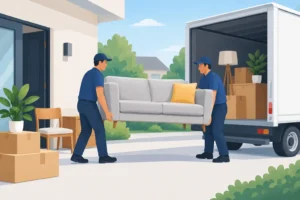
 A sofa found on Facebook Marketplace, a desk collected from a store, or a few pieces moving between apartments can look simple until you need to get them home. This furniture transport booking guide explains what to check before you book, what details to send, and how to make a smaller move run without unnecessary hassle.
For many jobs, a large moving company is more than you need. A man-with-a-van service is often a practical fit for single furniture items, student rooms, small apartment moves, storage collections, and Click & Collect pickups. The key is giving clear information from the start, so the right vehicle, timing, and level of help can be agreed before collection day.
Start with the item, not the distance
The journey matters, but the furniture itself is usually the first thing to assess. A flat-pack table in its box is very different from a fully assembled wardrobe. A two-seat sofa may be manageable on a ground floor, while the same sofa becomes a different job if it needs to go up several tight flights of stairs.
Before requesting a quote, check the item’s approximate length, width, and height. Store listings often show dimensions, and marketplace sellers may be able to measure if they are unsure. Take note of whether the item comes apart, has removable legs, or is still boxed. A clear photo is useful too, especially for bulky or unusual-shaped pieces.
Be honest about weight and condition. Solid wood furniture, marble-topped tables, large recliners, and old display cabinets can be much heavier than they look. If an item needs more than one person to move safely, arrange suitable help at the collection or delivery point. A solo man-with-a-van service is best suited to light moves and items that can be handled safely with customer assistance when required.
Check access at both ends
Furniture transport is rarely just about loading it into a van. The route from the item to the vehicle can decide whether a booking is straightforward or needs a different plan.
At collection and delivery, check whether there is ground-floor access, parking nearby, a clear path through gates or hallways, and any steps to manage. Tell the driver about apartment buildings, elevators, narrow entrances, loading bays, or time restrictions. If parking is limited in Limerick City center or at a busy retail park, mention that when booking rather than leaving it to chance on the day.
Ground-floor collections and deliveries are generally the simplest option. If stairs are involved, say how many flights and whether the stairs are narrow, turning, or open. It is better to flag a possible difficulty early than to discover that a wardrobe will not turn the corner after it has already been collected.
Measure doorways before you pay for the item
This small step saves people from a common and frustrating problem. Measure the item, then measure the narrowest doorway, hallway, stairwell, and elevator opening it needs to pass through. Remember that a piece may need to be tilted or turned, which can add to the space required.
This matters most with sofas, armchairs, wardrobes, dining tables, and storage units. If you are buying through DoneDeal or Facebook Marketplace, ask the seller for measurements before confirming the purchase. If you are collecting from a store, check whether the furniture arrives flat-packed or assembled.
What to include when requesting a quote
A quick quote is easier when the job description is complete. You do not need a long message, but a few practical details make a real difference. Include the collection area and delivery area, the item or items being moved, and your preferred date and time.
Also mention whether the furniture is boxed, assembled, or dismantled; whether there are stairs; where the driver can park; and whether someone will be available to help with a bulky item. Photos are particularly useful for marketplace purchases, as they show the size, shape, and condition more clearly than a short description.
For example, “Collect a boxed desk from Castletroy and deliver to a ground-floor apartment in Dooradoyle” gives a good starting point. Add the dimensions if available and confirm whether the seller can help load it. That is usually enough to establish whether the job is suitable and what the booking is likely to involve.
Avoid describing a load as “a few bits” if it includes furniture, bags, boxes, and several loose items. List the main pieces instead. It helps prevent surprises and ensures there is enough space in the van.
Choose a time that works for everyone
Furniture collections often depend on a seller, store, landlord, building manager, or storage facility. Before booking, confirm the collection window and make sure the seller knows a driver is coming. Ask whether they need notice before arrival and whether the item will be ready near the entrance.
For store pickups, check the collection rules. Some retailers require an order number, photo ID, or a named person to collect. Others have designated pickup times or ask customers to wait at a loading area. Have these details ready before the van arrives.
Marketplace collections can be less predictable. Sellers may be delayed, change availability, or discover that an item has already been sold. A quick message on the day to confirm the item is still available can save a wasted trip. If payment is due to the seller, agree in advance who is handling it and how.
When possible, allow a little flexibility around the collection time. Traffic, store queues, and previous jobs can affect arrival times, particularly when traveling between counties. Clear communication makes these small changes easier to manage.
Prepare the furniture and the space
A little preparation protects both the item and your home. Empty drawers, remove loose shelves, and secure doors where possible. Take glass tops, mirrors, lamps, and other fragile parts separately if they can be removed safely. Keep screws, brackets, and small fittings together in a labeled bag.
Clear the path from the door to the room where the furniture will go. Move shoes, boxes, rugs, and anything that could cause a trip. If you are replacing an old table or moving furniture within an apartment, make enough room to place the new item down first.
For upholstered furniture, make sure it is dry and reasonably clean before collection. For wooden pieces, protect sharp corners and delicate surfaces where practical. You do not need to overcomplicate it, but loose parts and fragile edges should not be left unprotected.
Have help ready when the item calls for it
Some jobs need an extra pair of hands. If the furniture is long, bulky, awkward, or going through stairs, arrange a capable person at collection, delivery, or both. This should be agreed before booking, not decided when the van arrives.
That does not mean every chair or bedside table needs assistance. It depends on the size, weight, access, and whether the item can be carried safely by one person. Being realistic about this is the best way to keep the job smooth and avoid damage or injury.
Know when a smaller transport service is the right fit
A man-with-a-van booking is ideal when you have a clear, manageable load rather than a major move. Common examples include a marketplace sofa, a student moving a desk and a few boxes, furniture collected from storage, or a Click & Collect order that will not fit in a car.
It can also work well for people moving between apartments with a limited number of items, landlords replacing furniture, or hotel guests who need luggage moved between locations. The benefit is direct communication and a service sized for the job, rather than paying for a larger operation you do not need.
For jobs in Limerick City and County, or trips to places such as Clare, Tipperary, Cork, Kerry, or Galway, share the full route and load details when asking. Longer journeys may be possible depending on the item and travel plan.
Furniture transport booking guide: final checks
Before the booking is confirmed, check the date, collection address, delivery address, contact numbers, item details, access notes, and any help that has been arranged. Keep the seller or store informed if timing changes, and make sure someone can receive the furniture at the delivery point.
If you are unsure whether an item is suitable for a small van service, ask before buying or booking. A clear photo, measurements, and honest access details usually provide the answer quickly. Man with a Van Seamus can then give practical guidance for a straightforward collection, delivery, or light move.
A few minutes spent checking the item, the route, and the access can turn a potentially awkward furniture collection into a simple job. Get the details together, ask for a quick quote, and you will know where you stand before moving day arrives.